Voles
Microtus spp.
Voles are small burrowing rodents that primarily damage lawns and landscaping. They create surface runways and shallow tunnels—often most visible after snowmelt. Vole damage is commonly mistaken for moles, but true moles are not established in Alberta.
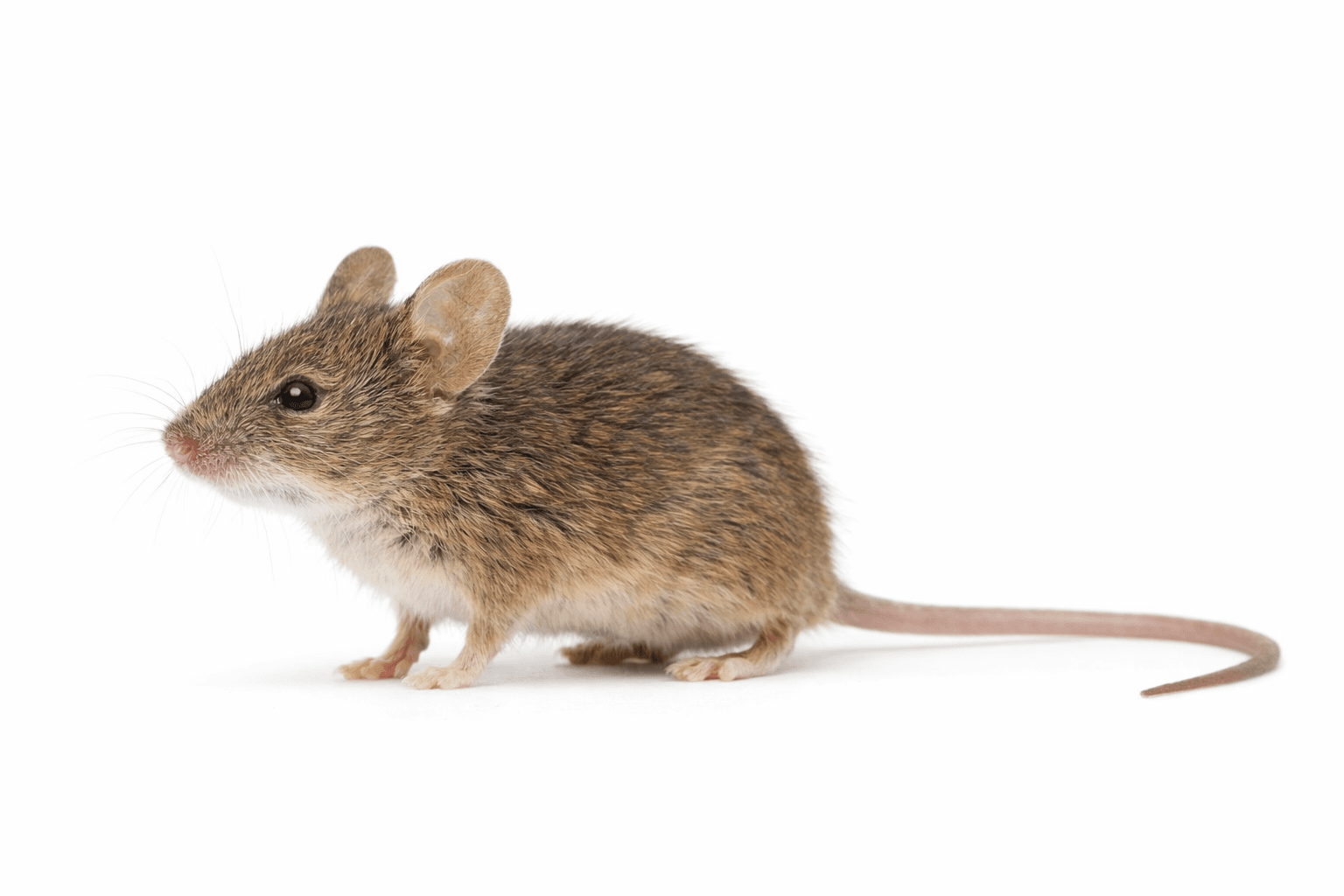
What they look like
- Small, stocky rodent with a blunt face and small ears (often hidden in fur).
- Shorter tail than mice; looks more compact and “rounded.”
- Usually not seen directly—damage patterns are the main identifier.
What vole damage looks like
- Narrow surface runways in grass (paths under the turf).
- Small burrow openings connected to runway networks.
- Chewed grass and root damage leading to dead patches.
- Bark chewing on young shrubs/trees near ground level (seasonal).
The signature is runways. If you see raised tunnels or mounds, you’re likely dealing with a different animal.
Seasonal activity in Alberta
- Winter: voles tunnel under snow, protected and hard to notice.
- Spring: runway networks become obvious after snowmelt.
- Summer/Fall: activity can continue, especially in thick ground cover.
- Damage spikes when shelter (tall grass, clutter) stays in place.
Why vole problems persist
- Shelter: tall grass, thick ground cover, dense vegetation, cluttered yards.
- Predator protection: continuous cover lets them move safely.
- Food: roots, grass, bulbs, and bark during harder seasons.
- If cover remains, local pressure rebuilds even after short-term reduction.
Common signs homeowners notice
- Runways appearing across the lawn after snowmelt.
- Dead patches of grass with narrow trails underneath.
- Small holes near garden beds or lawn edges.
- Chewed bark on shrubs/young trees close to the ground.
Common misidentifications in Alberta
True moles are not established in Alberta. Vole damage is typically surface runways, not large mounds or deep tunnel ridges.
Gophers create fan-shaped soil mounds and live deeper underground. Voles create runways with minimal mounding.
Mice problems are usually indoors (droppings, gnawing, wall activity). Vole problems are typically outdoor lawn and landscaping damage.
What effective control looks like (high level)
- Confirm: identify vole runways and active zones (vs gophers/skunks).
- Habitat reduction: mow low, reduce dense ground cover, remove clutter.
- Targeted control where activity is concentrated (not random yard-wide actions).
- Protection: guard young trees/shrubs and reduce winter shelter zones.
- Verify: monitor after snowmelt and adjust based on new runway activity.
Vole control is mostly an outdoor habitat and pressure problem. The yard setup determines whether they can persist.