Bed Bug Treatment in Edmonton
How we eliminate active infestations and confirm that activity has stopped
If you’re dealing with bed bugs in your home, the issue usually involves hidden harborages near sleeping or resting areas, transfer through fabrics and clutter, and the need for follow-up to confirm elimination. Our bed bug treatment in Edmonton focuses on inspection, targeted treatment, client preparation, and monitoring until activity is no longer present.
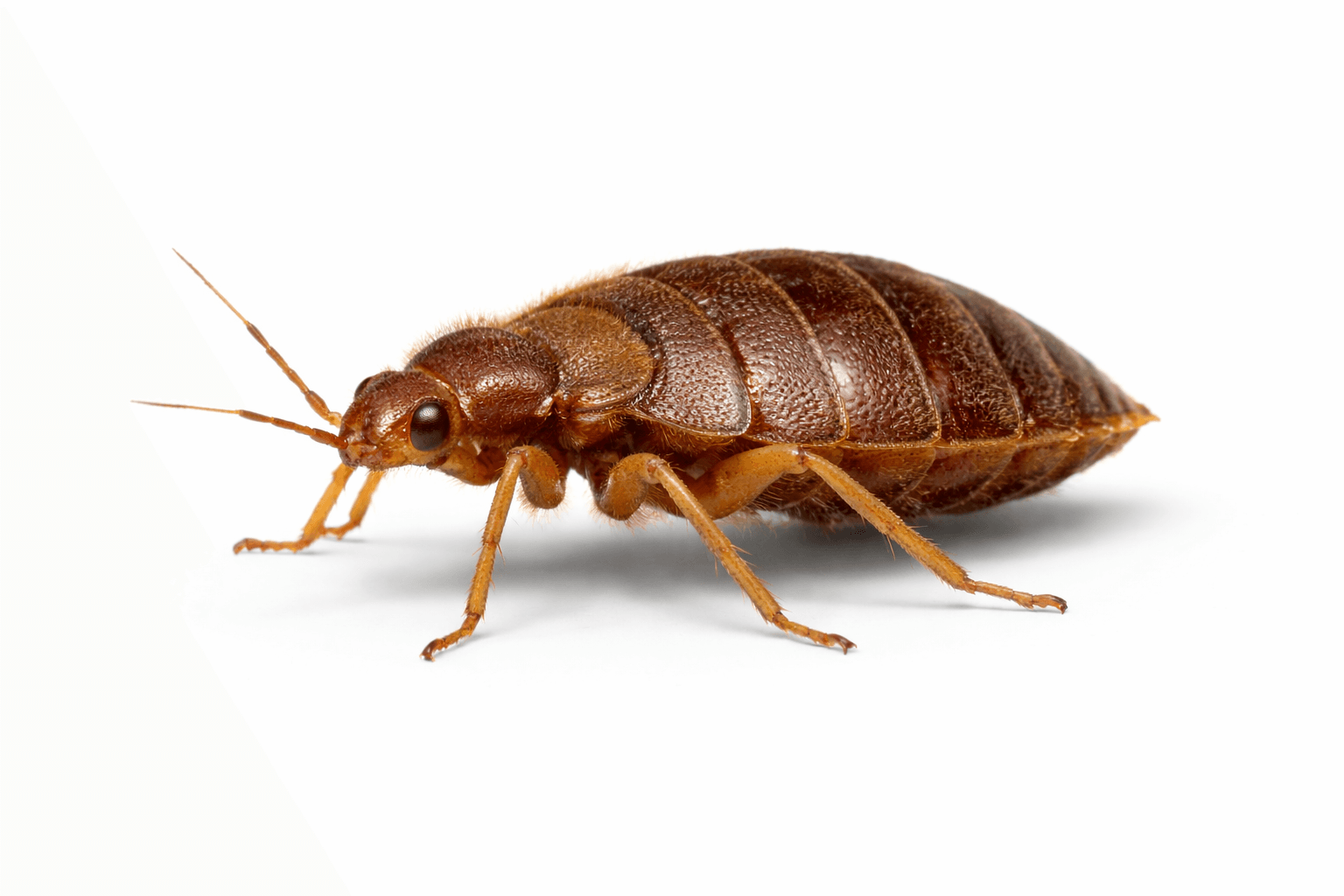
What our bed bug treatment is designed to do
- Find and treat the bed bug harborages closest to where people sleep or rest.
- Reduce live activity quickly while leaving residual protection in key areas where appropriate.
- Limit transfer to other rooms through disciplined handling of fabrics and clutter.
- Confirm elimination through follow-up inspections and monitoring.
Bed bug control is usually a process, not a one-visit event. The goal is not just knockdown, but full elimination with verification.
Most infestations show clear improvement within days to a few weeks, but full elimination depends on infestation size, preparation quality, clutter levels, transfer risk, and follow-up access.
How treatment generally works
- Inspection: sleeping areas, bed frames, nearby furniture, baseboards, and likely hiding spots are assessed.
- Treatment: targeted work is performed in the bed zone and adjacent harborages.
- Guidance: clients receive preparation and post-treatment instructions to reduce spread and preserve results.
- Follow-up: the treated areas are reassessed and monitored until activity has ceased.
Most treatments begin reducing activity quickly, but full resolution takes longer because bed bugs hide deeply, move through personal items, and require follow-up to confirm that all active harborages have been addressed. The exact treatment plan can vary depending on clutter levels, furniture type, building layout, and the extent of activity.
Areas commonly treated
- Mattress and box spring areas, where appropriate and label-compliant.
- Bed frames, joints, slats, headboards, and screw holes.
- Baseboards, cracks, and crevices near the bed.
- Nightstands, dressers, and nearby upholstered furniture.
- Other resting areas such as couches or recliners, when activity is tied to them.
Client preparation before service
- Reduce loose clutter around beds, couches, and baseboards.
- Bag and isolate fabrics as directed, especially bedding, clothing, and soft items near sleeping areas.
- Run washable items through high heat drying where instructed.
- Leave beds accessible so seams, frames, and surrounding edges can be worked on properly.
- Do not move infested items through the home unless they are sealed and handled correctly.
Preparation matters. Poor handling of bedding, laundry, or clutter can spread bed bugs into new rooms and make elimination take longer.
Guidelines after treatment
- Follow the re-entry guidance provided at service.
- Do not wash away treated areas unless specifically instructed.
- Continue sleeping in the usual sleeping location unless told otherwise.
- Keep beds slightly isolated from walls and reduce contact points where possible.
- Use monitors or interceptors consistently if they are part of the plan.
One of the most common mistakes after service is over-cleaning the treatment zones too soon. Residual performance depends on leaving key areas undisturbed.
What clients should avoid
- Do not use random over-the-counter sprays between visits.
- Do not discard furniture unless it is truly necessary.
- Do not move bedding, clothes, or personal items unsealed from room to room.
- Do not assume bites alone mean treatment has failed.
- Do not stop monitoring too early just because activity appears reduced.
DIY misuse often makes inspections harder and can push bed bugs deeper into cracks, voids, or neighboring rooms.
Why bed bug treatment can take time
- Smaller, well-prepared infestations are generally easier to resolve.
- Larger infestations, heavy clutter, or repeated item transfer usually extend the process.
- Shared walls, adjoining suites, and repeated reintroduction can also affect timing.
- Follow-up monitoring is important because reduced activity is not the same as confirmed elimination.
Signs treatment is working
- Fewer live sightings over time.
- Reduced interceptor or monitor activity.
- No fresh evidence in the treated sleeping areas.
- Stability over time rather than short-term improvement only.
It is normal for clients to remain alert after treatment. Confirmation should be based on evidence and monitoring, not just stress levels or skin reactions.
Bed bug treatment for apartments and condos in Edmonton
In multi-unit buildings, bed bug control often depends on both unit-level treatment and building-level awareness. Movement through shared walls, hallways, furnishings, and neighboring units can complicate control if transfer pathways are ignored.
For Edmonton apartments and condos, clear instructions, careful preparation, and disciplined follow-up are especially important.
This is why bed bug treatment in Edmonton often requires both precise in-unit treatment and realistic follow-up expectations, especially in shared-wall buildings.
Common questions about bed bug treatment in Edmonton
- How long does it take to get rid of bed bugs? Many infestations show clear improvement within days to a few weeks, but full elimination depends on infestation size, preparation, transfer control, and follow-up monitoring.
- Do I need to leave my home during treatment? Re-entry depends on the specific products and treatment plan used, and you will be given service-specific guidance at the appointment.
- Should I throw away my bed or furniture? Usually not. In many cases, beds and furniture can be treated and kept if they are handled properly.
- Why am I still noticing bites or stress after treatment? Skin reactions and anxiety are not reliable proof of ongoing activity. Progress should be judged by sightings, physical evidence, and monitor or interceptor results.
- Can I spray bed bugs myself between visits? This is usually a mistake. Random sprays can interfere with treatment, make inspections harder, and push bed bugs deeper into hiding places.
When to call for professional help
- You have confirmed live bed bugs, cast skins, spotting, or eggs near sleeping areas.
- You keep seeing signs return after DIY attempts.
- You want a clear treatment plan instead of guessing with retail products.
- You need a structured process with inspection, treatment, and follow-up.
If you need professional bed bug treatment in Edmonton, contact Final Pest Control to discuss the situation and next steps.